
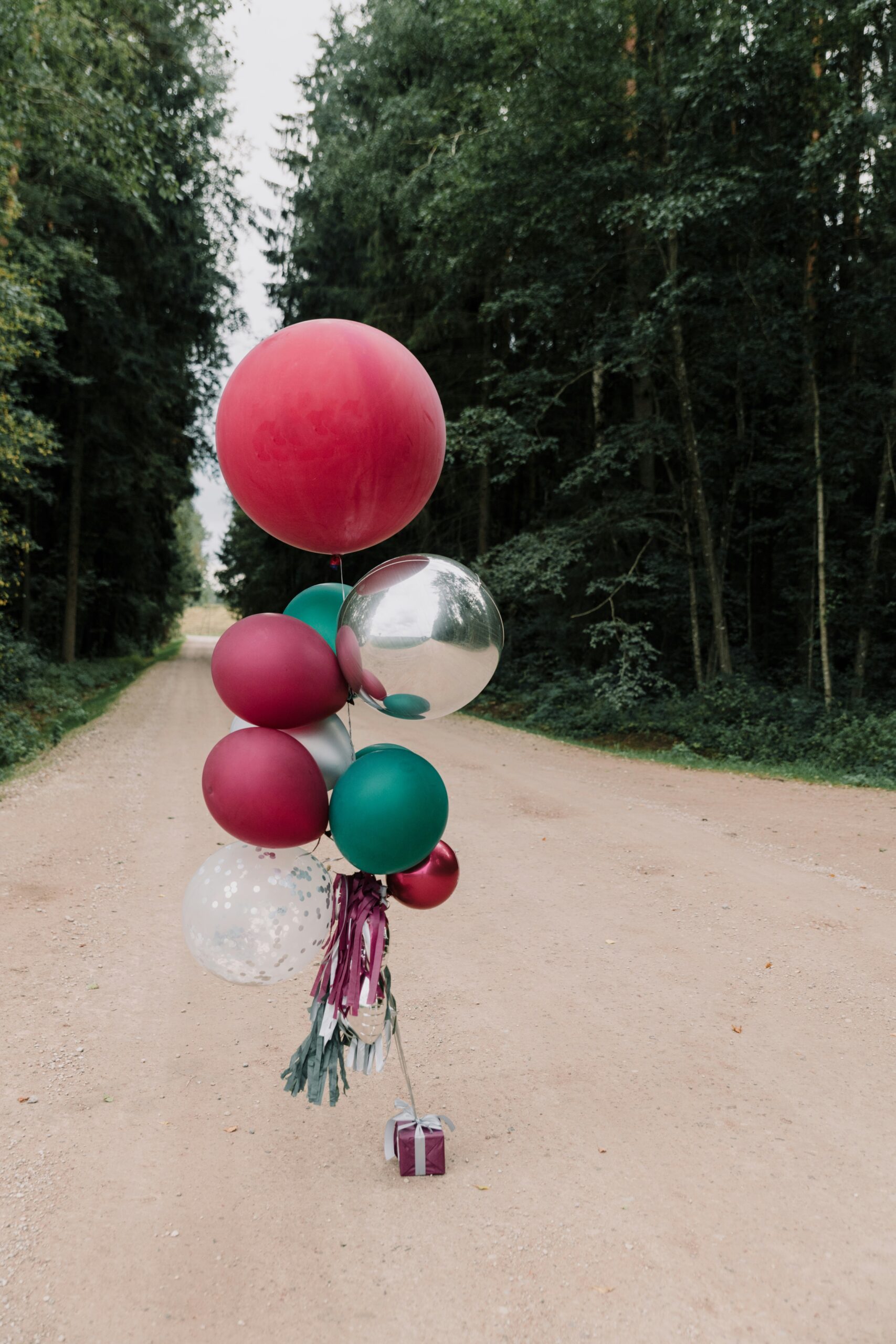
The Beginner’s Guide to Balloon Arch and Garland Design
Balloon arches and garlands have taken center stage in event décor transforming ordinary spaces into festive, Instagram-worthy backdrops. Whether you’re planning a birthday bash, baby shower, wedding, or corporate event, learning the basics of balloon décor can help you create a stunning centerpiece that wows your guests.
If you’re new to balloon design, this guide will walk you through the materials, steps, styles, and pro tips for creating your own balloon arch or garland, even if you’ve never inflated a balloon before.
What’s the Difference Between a Balloon Arch and a Garland?
Before diving into the design, it helps to understand the distinction:
- Balloon Arch: A structured or semi-structured design that forms an arch shape. Typically built with a frame or fishing line, it’s used to frame entrances, stages, or backdrops.
- Balloon Garland: A looser, flowing arrangement of balloons, often hung across walls, staircases, or tables. It usually doesn’t have a rigid frame.
Both serve similar purposes, and the design principles overlap—but garlands are more flexible and beginner-friendly.
Why Balloon Arches and Garlands Are So Popular
- Affordable décor with high visual impact
- Customizable in size, color, and shape
- Reusable materials for eco-conscious decorators
- Suitable for indoor or outdoor events
- DIY-friendly with minimal tools
Essential Materials You’ll Need
Here’s what you need to get started:
Balloons:
- Use latex balloons of varying sizes (5”, 10”, 12”, and 18”) for dimension
- Choose high-quality brands to avoid popping
- Color palette: Stick to 2-4 complementary colors for a professional look
Tools:
- Balloon pump (manual or electric) – essential for speed and safety
- Balloon decorating strip – a plastic strip with evenly spaced holes to hold balloon knots
- Fishing line or floral wire – for arches or hanging garlands
- Glue dots or low-temp glue gun – to attach smaller balloons for filling gaps
- Command hooks – to hang your design without wall damage
- Scissors, string, or ribbon – for anchoring or embellishment
Optional:
- Balloon arch stand or frame (for structured arches)
- Foil balloons or greenery for added style
Step-by-Step Guide: How to Create a Balloon Garland
Step 1: Plan Your Color Scheme and Layout
Start by choosing 2–4 colors that match your theme (e.g., pastel pinks for a baby shower or gold/black for a corporate event). Sketch a rough layout or use inspiration from Pinterest or Instagram.
Step 2: Inflate the Balloons
Use your balloon pump to inflate balloons of all sizes. Varying sizes help give the garland texture and fullness. Don’t over-inflate—slightly underfilled balloons are rounder and easier to work with.
Step 3: Attach Balloons to the Decorating Strip
Start inserting balloon knots into the decorating strip holes, alternating sizes and colors. Keep the balloons close together for a full effect. This will serve as the base of your garland.
Step 4: Fill in Gaps with Smaller Balloons
Once the base is ready, use glue dots or a low-temp glue gun to attach smaller balloons into gaps. This adds depth and hides the plastic strip.
Step 5: Hang Your Garland
Use command hooks and fishing line or string to secure the garland to your desired location over a table, on a wall, or around a doorway.
Creating a Balloon Arch: What’s Different?
To make an arch, follow the same steps for inflating and connecting balloons. The difference lies in support and shape:
Frame Options:
- Balloon Arch Kit: Comes with a flexible rod and stands
- PVC Pipe Frame: Great for custom sizes
- Fishing Line Method: Attach both ends of a long fishing line to two points and build the arch shape using balloon clusters
Secure the arch well, especially for outdoor events use sandbags or heavy bases.
Design Tips for a Professional Look
1. Mix Balloon Sizes
Clusters of various balloon sizes look more organic and lush. Mix 5″, 10″, and 18″ balloons instead of sticking to one size.
2. Use the Rule of Three
Group balloons in odd numbers (usually threes or fives) when layering. It gives a more balanced look.
3. Create Depth with Color
Use an accent color to pop against neutrals. Example: a garland of white and blush with a splash of gold.
4. Add Décor Accents
Try adding faux greenery, flowers, or metallic balloons to elevate your design. Use sparingly for impact.
5. Use a Balloon Sizer (Optional)
To maintain uniformity in your balloons, use a cardboard sizer or measuring tool when inflating.
Common Balloon Garland Mistakes to Avoid
- Over-inflating balloons: Increases the chance of popping and makes shaping harder
- Too few balloons: Results in a sparse, unfinished look
- No layering: A flat row of balloons looks amateur always layer with different sizes
- Not securing the ends: Can cause drooping or collapse mid-event
How Long Will It Last?
- Indoor Garlands: Can last up to a week if kept away from direct sunlight, heat, and sharp objects
- Outdoor Garlands: May last 12–24 hours, depending on weather conditions
Pro tip: Store balloon garlands in a cool room or garage before the event.
Should You DIY or Hire a Professional?
If you’re hosting a small to medium gathering, a DIY balloon garland is a cost-effective and creative option. However, for larger events or if you’re short on time, a professional decorator ensures durability, symmetry, and fast setup.
Final Thoughts
Balloon arches and garlands are one of the most effective ways to add visual excitement to any celebration. With a bit of planning and the right tools, even beginners can create stunning, professional-looking arrangements.
Whether you’re a DIY enthusiast or someone planning your first event, don’t be afraid to experiment with color, texture, and shape. The best part? Balloons are fun, affordable, and a guaranteed hit at any event.